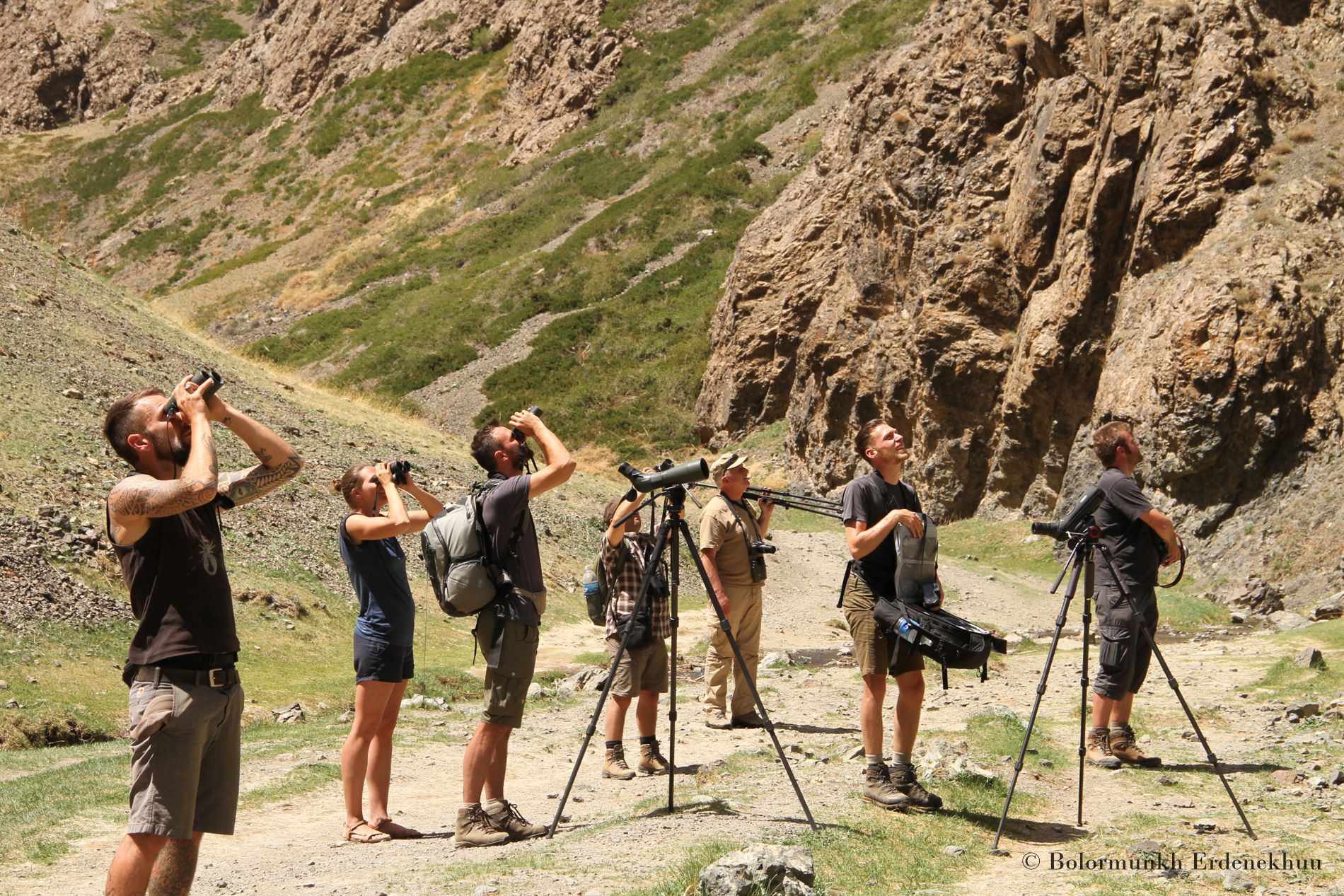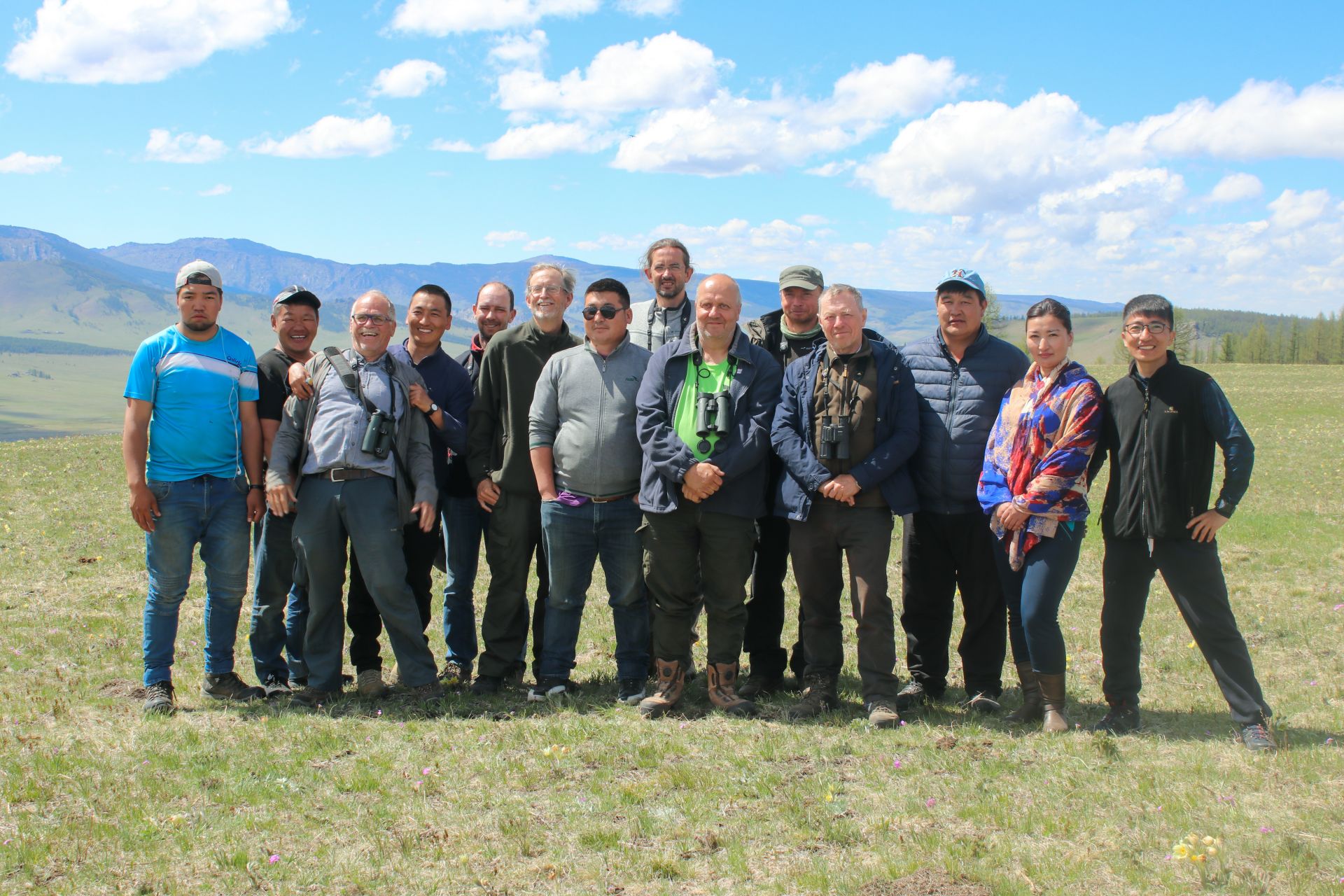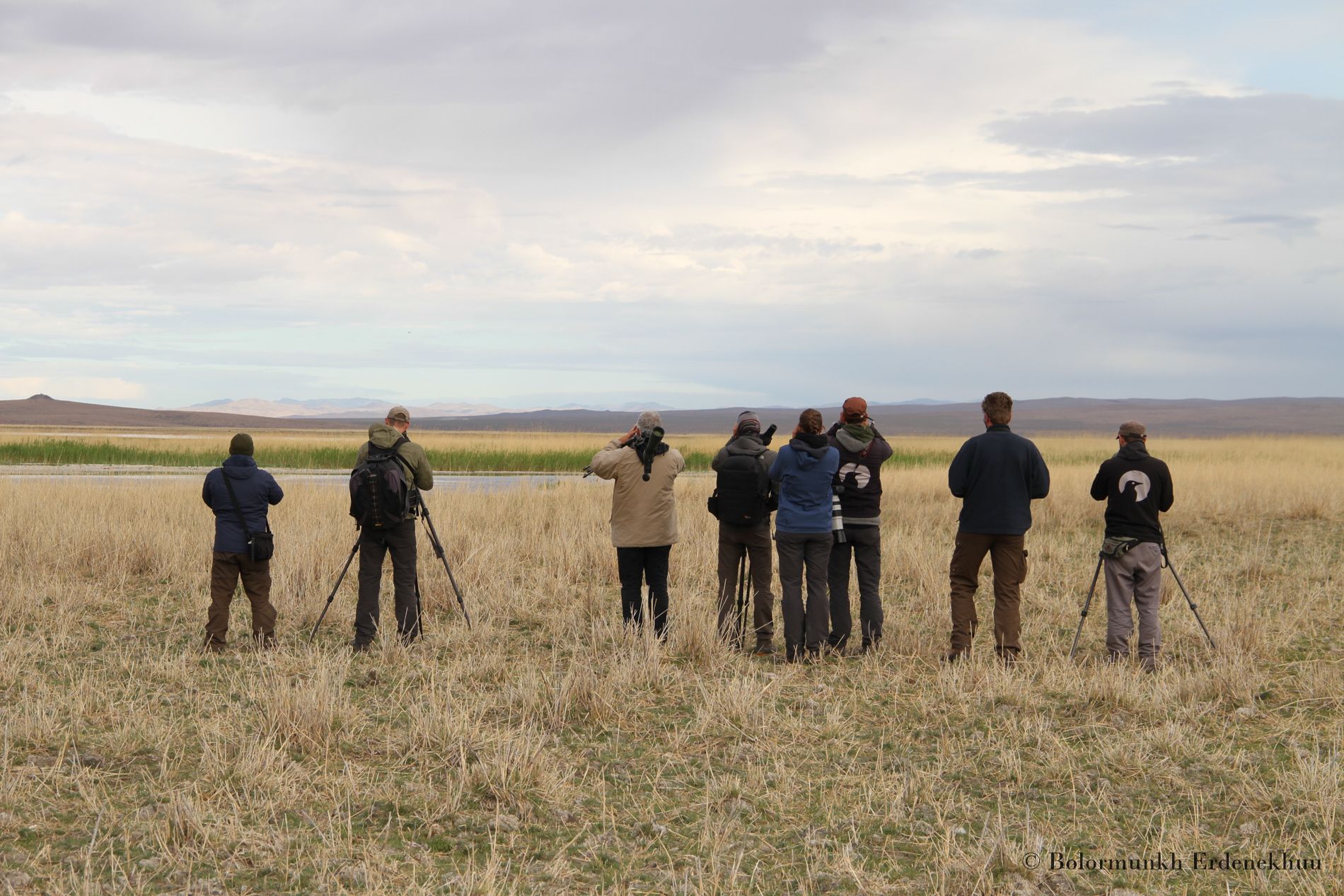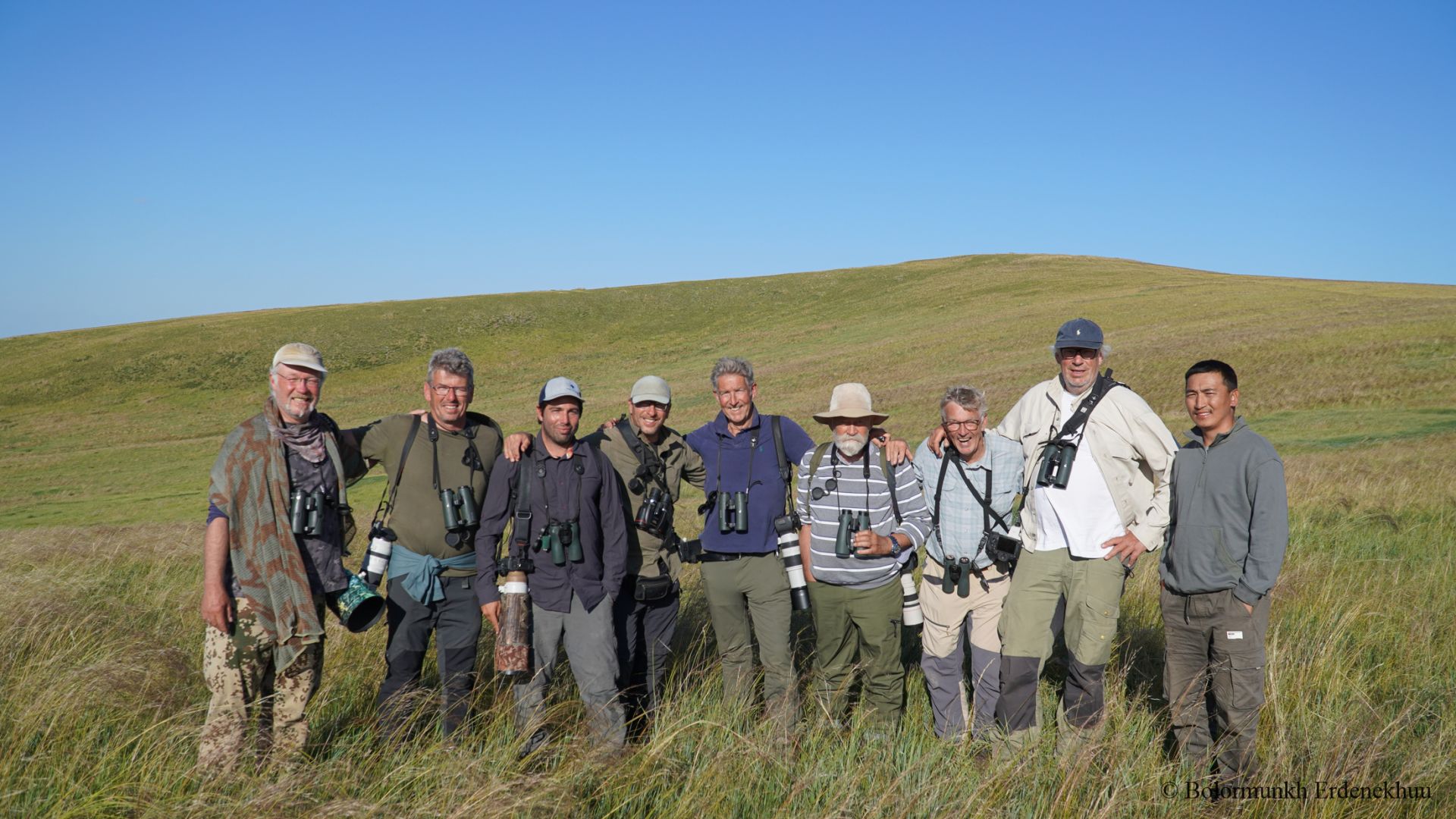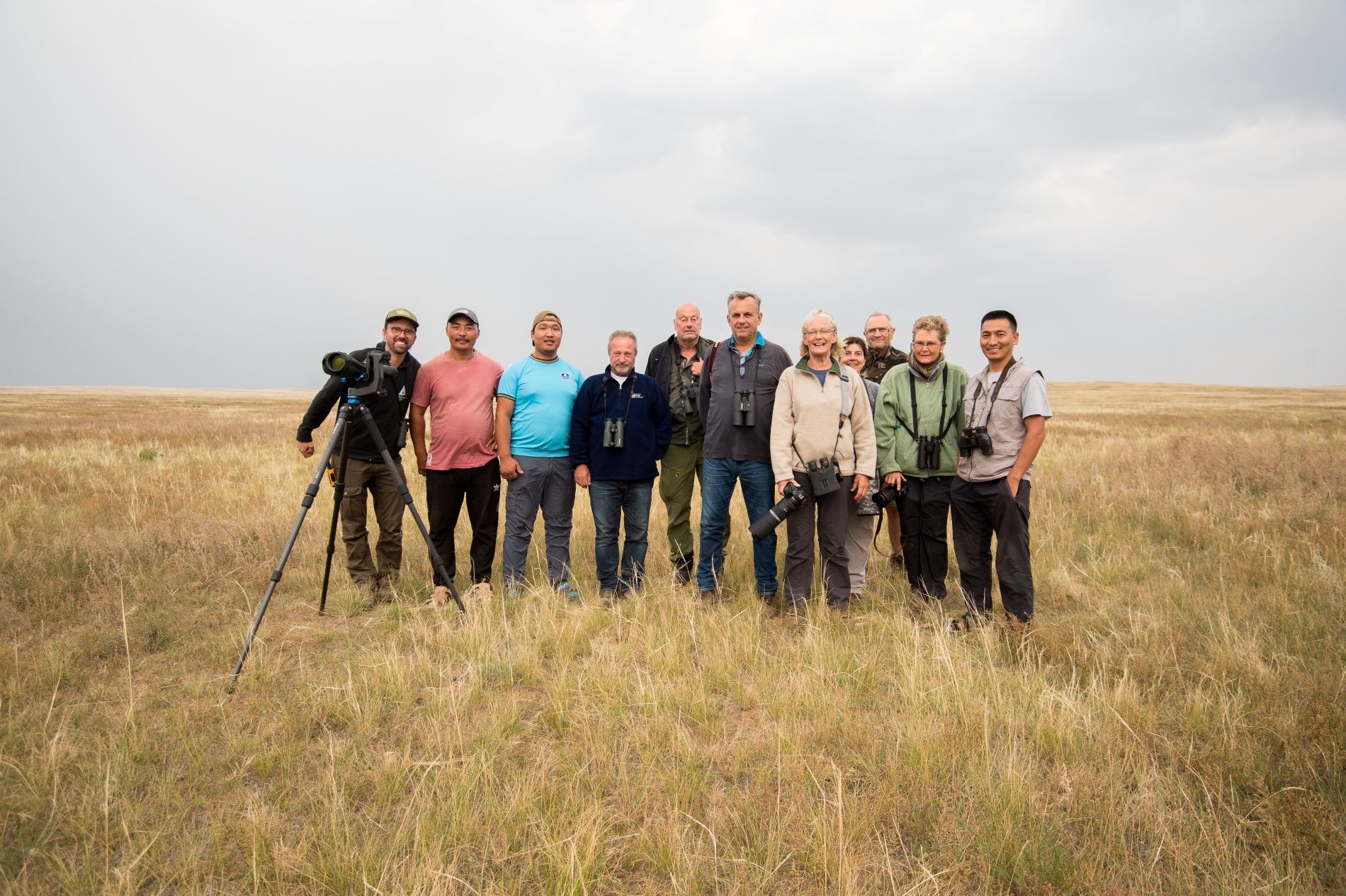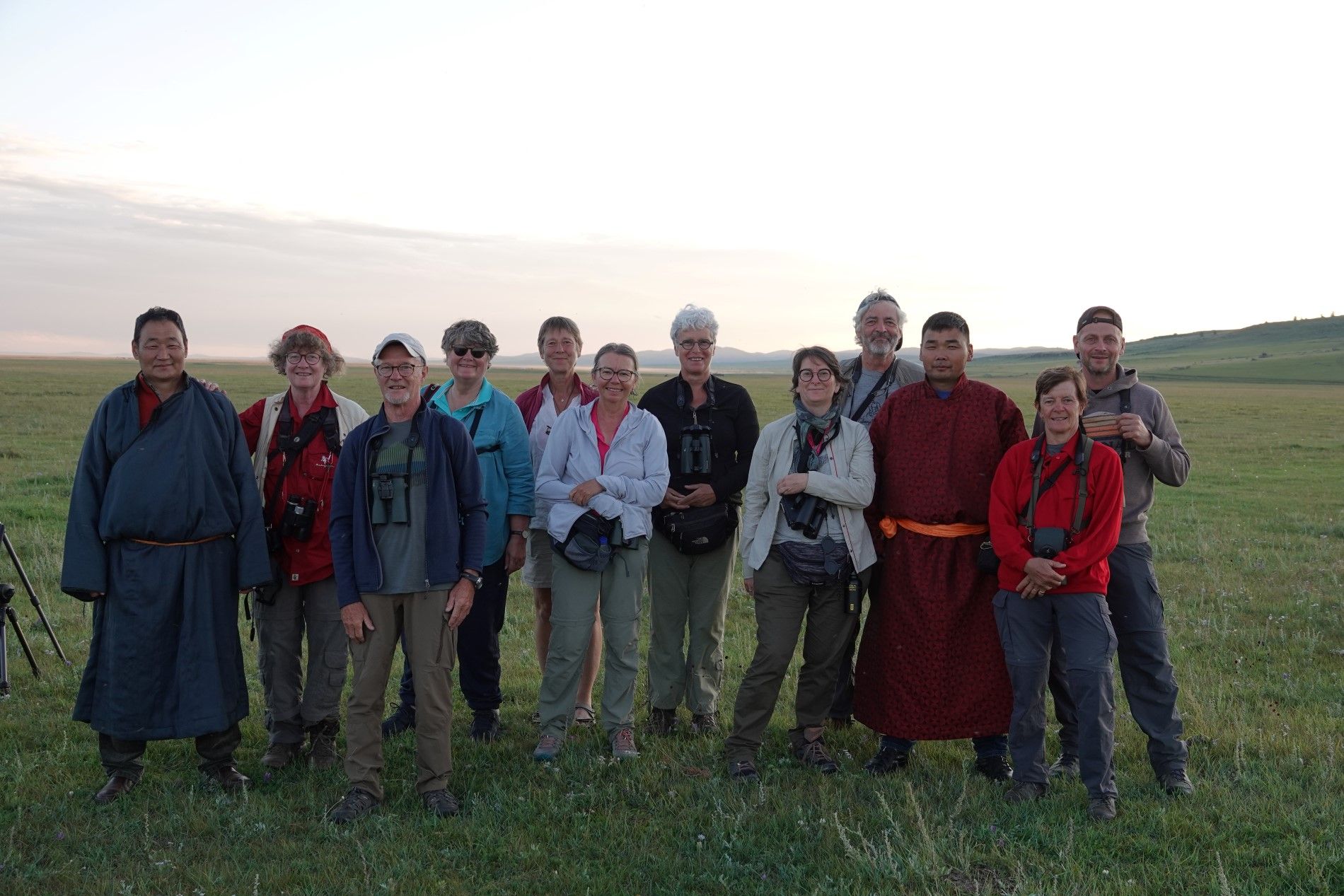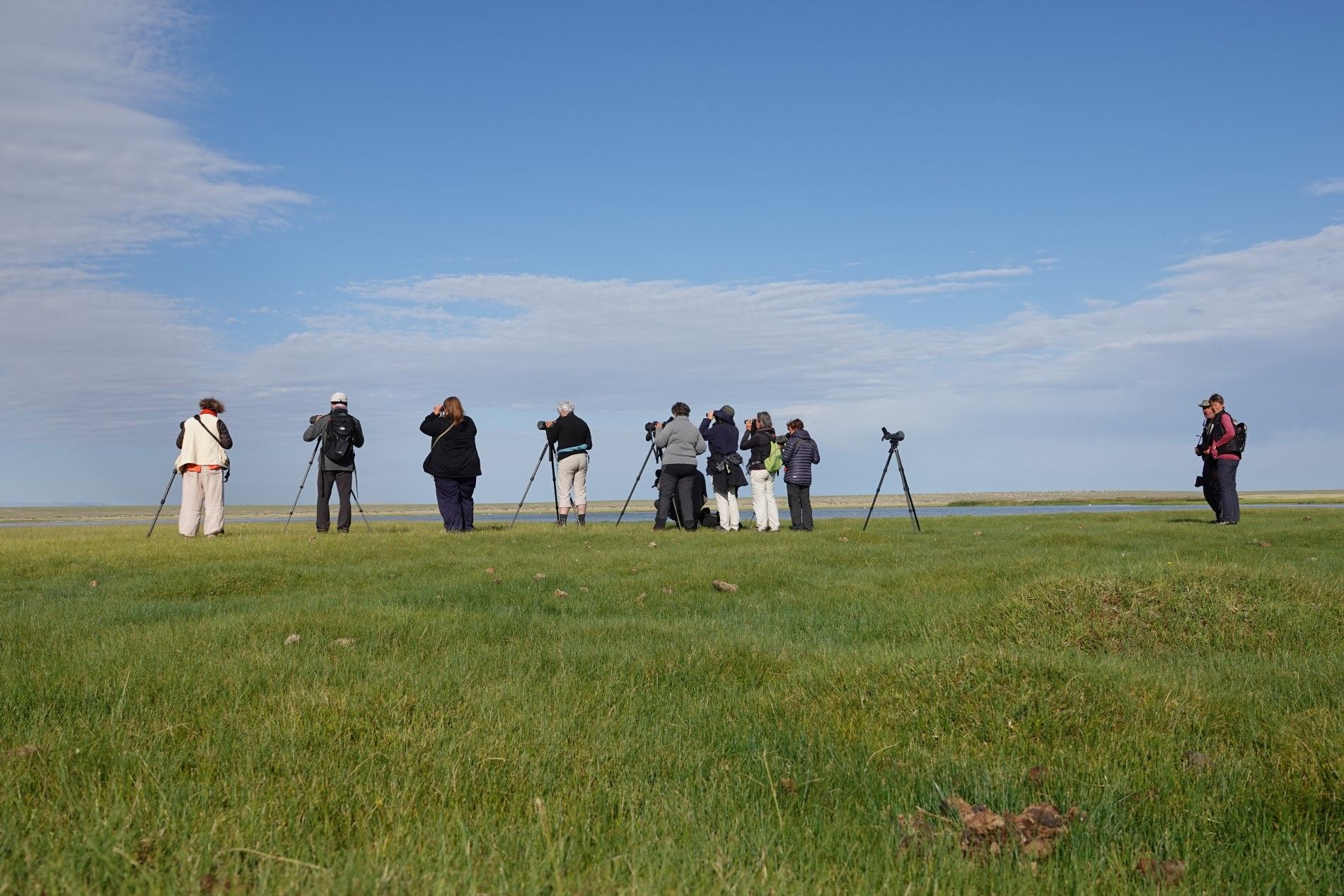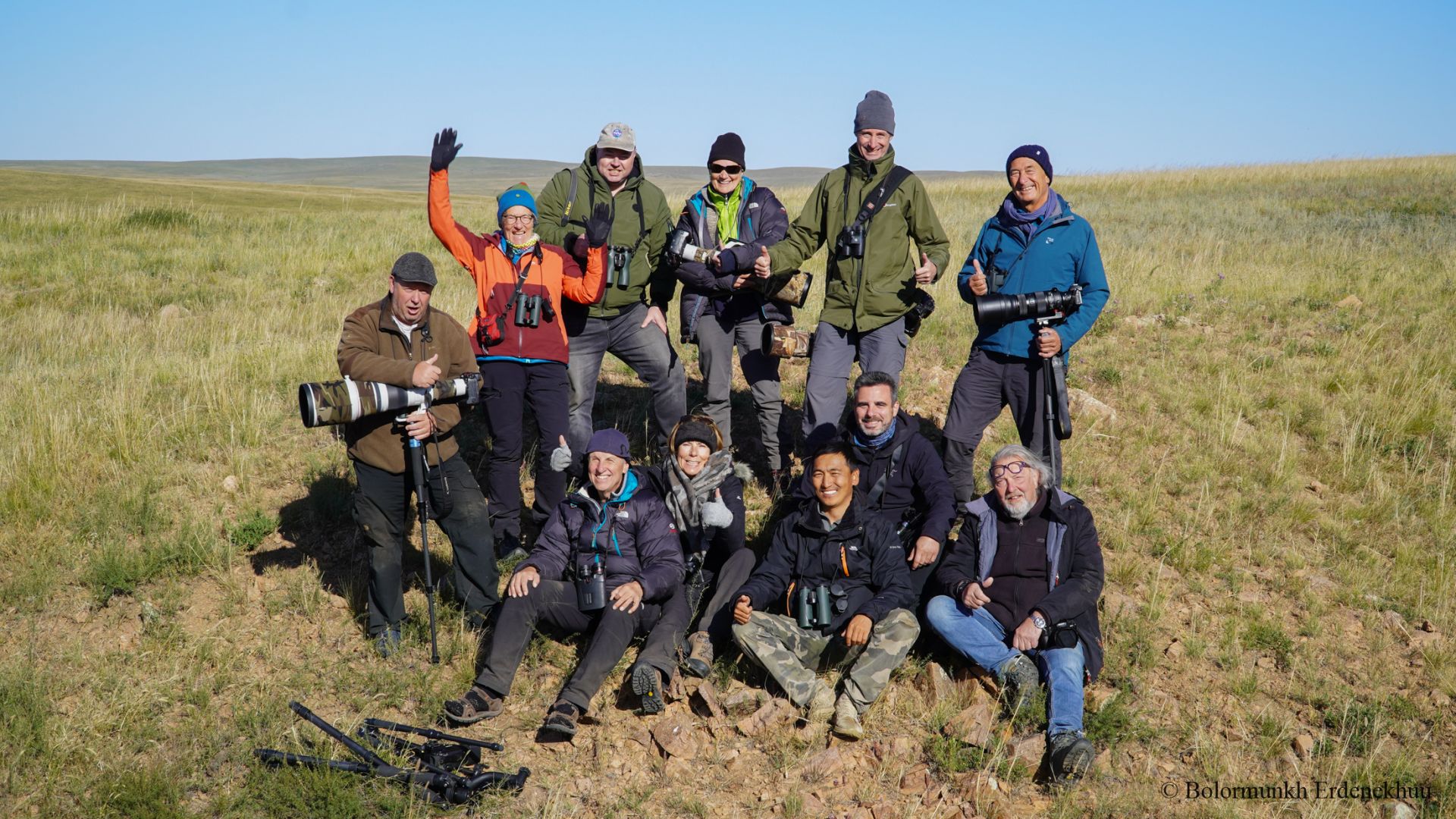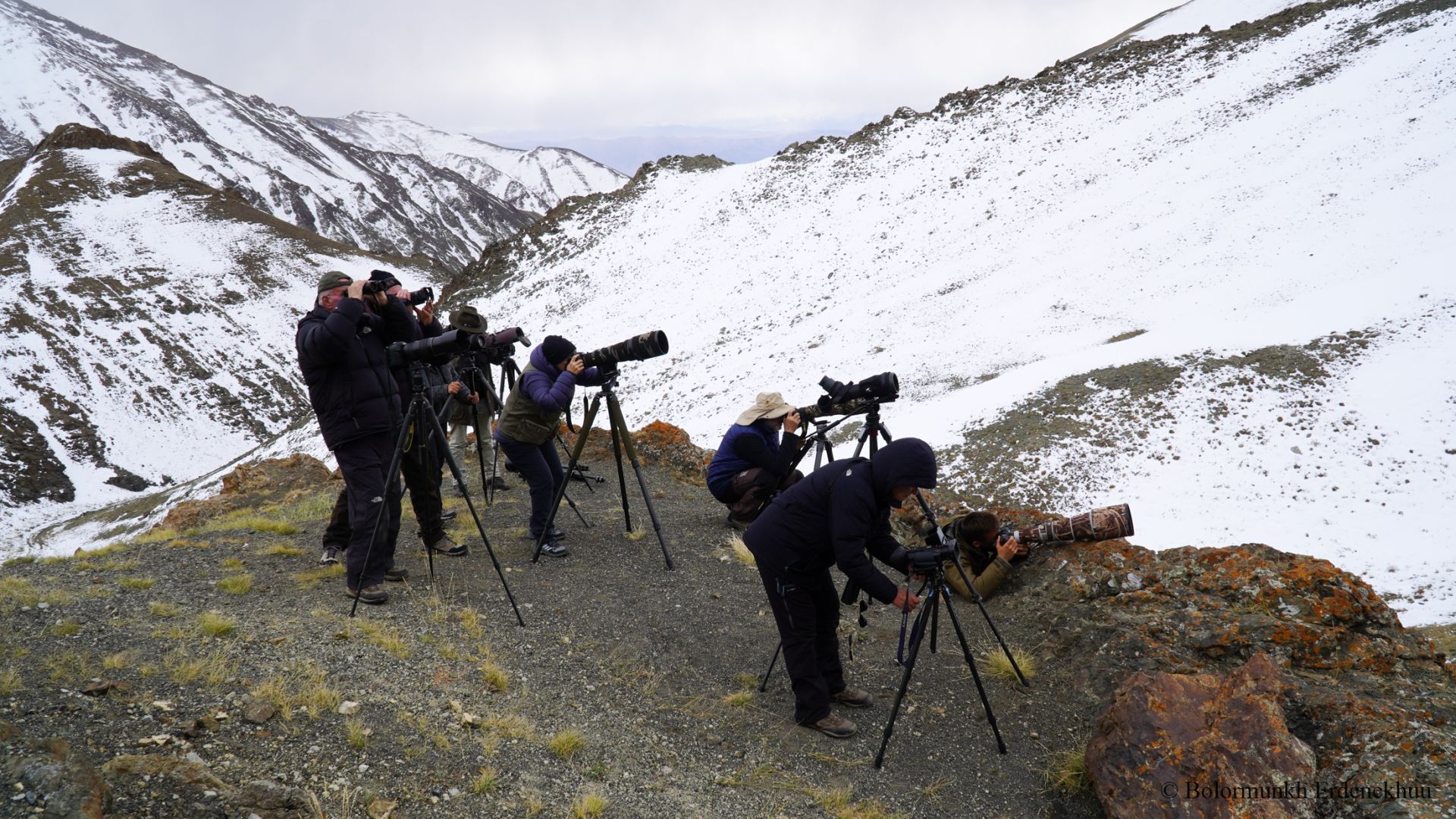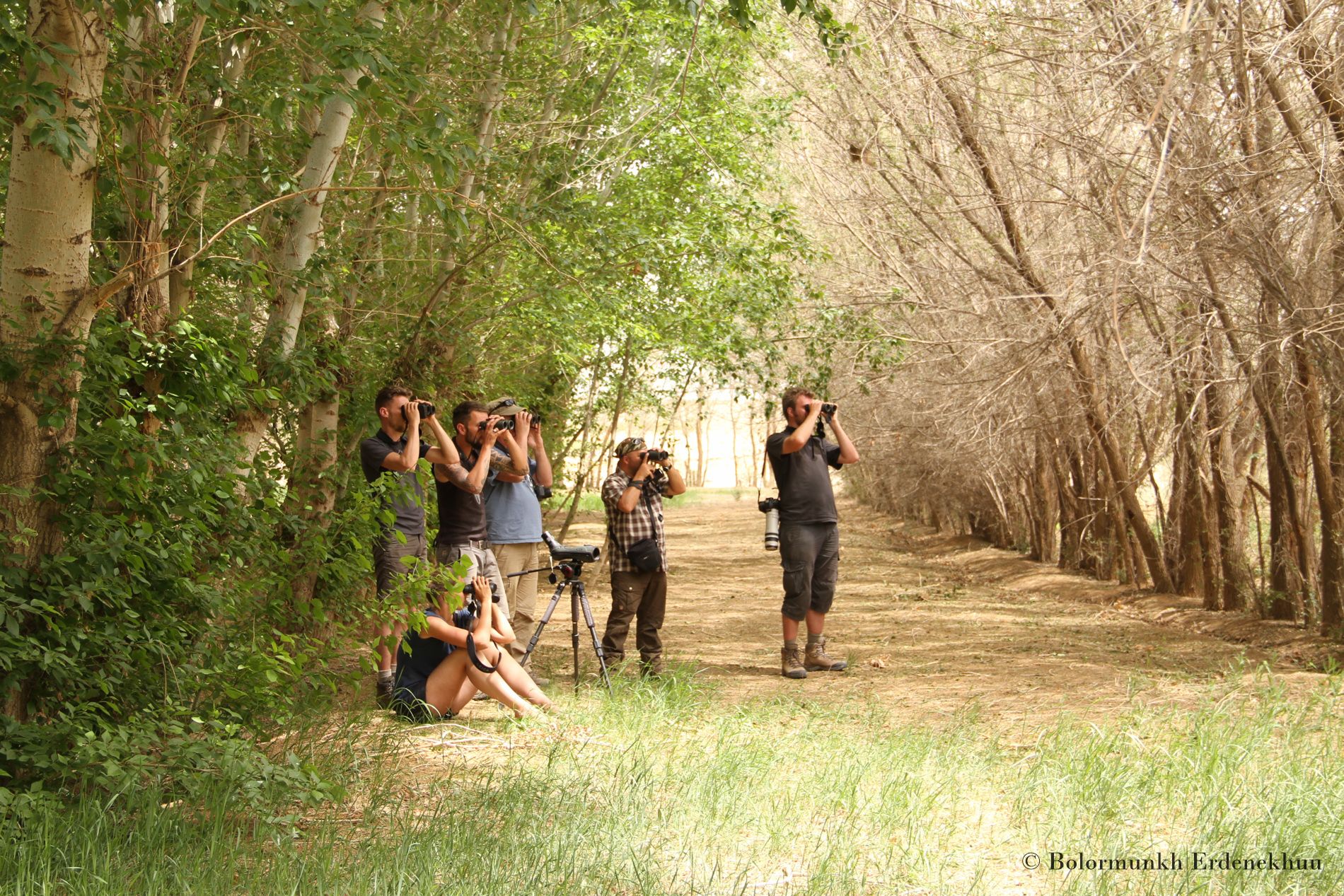
The Snow Leopard Tours team
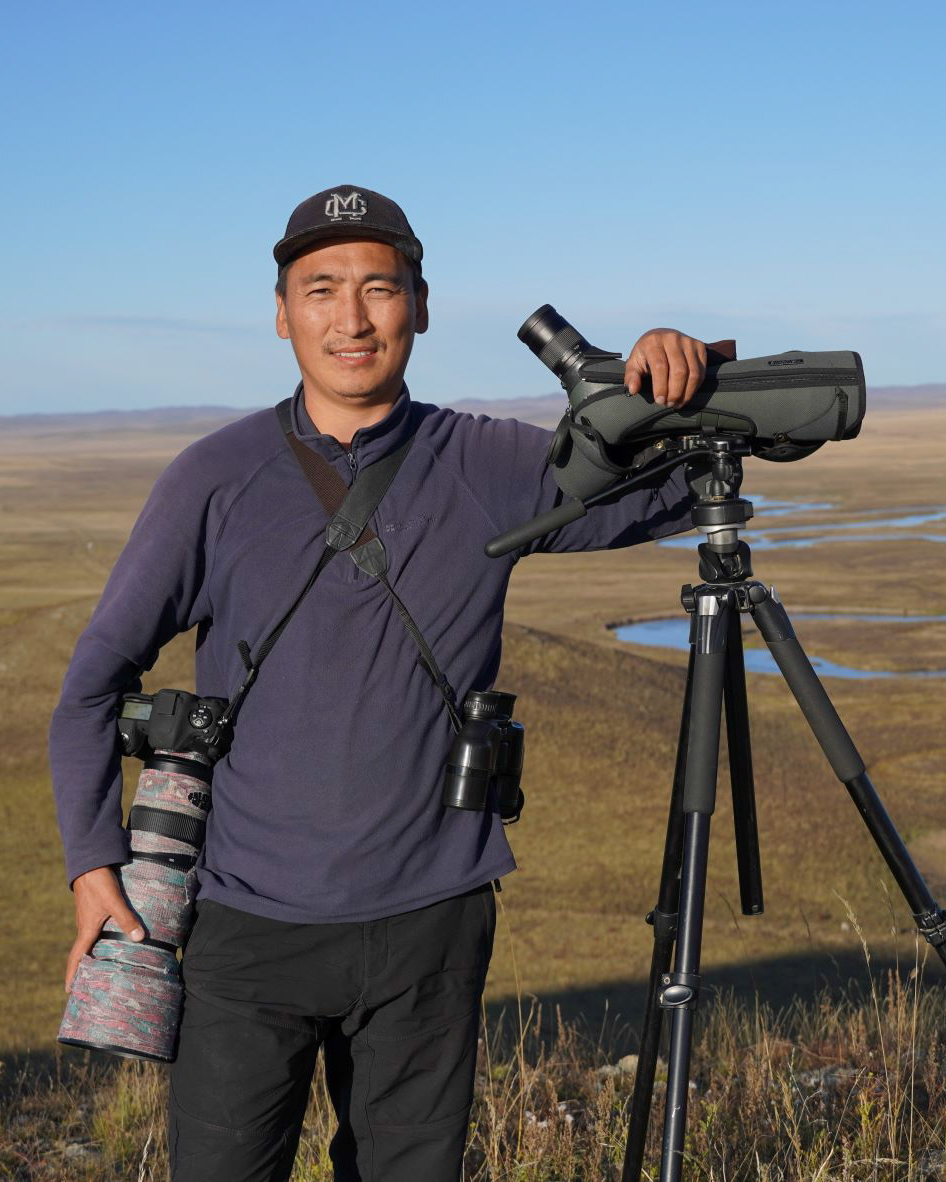
Bolormunkh Erdenekhuu
I am a Mongolian-based tour operator specializing in birding and nature tours.I entered the tourism sector to share my knowledge of Mongolia’s wildlife and diverse landscapes with visitors from around the world. To date, I have led about 70 tours and organized over 50 group tours focused on birding and mammal observation and photography across the country.
I earned my bachelor’s degree in Conservation and Ecology in 2011 and went on to complete an MSc in Conservation Science and Policy at the University of Exeter in Cornwall, UK.
Born and raised in a nomadic family in the Central Mongolian highlands, I grew up herding yaks and horses. My ancestors have lived in this land for generations, practicing a simple nomadic pastoral lifestyle with minimal environmental impact. This upbringing has given me a deep understanding of nomadic culture, wildlife, and environmental conservation.
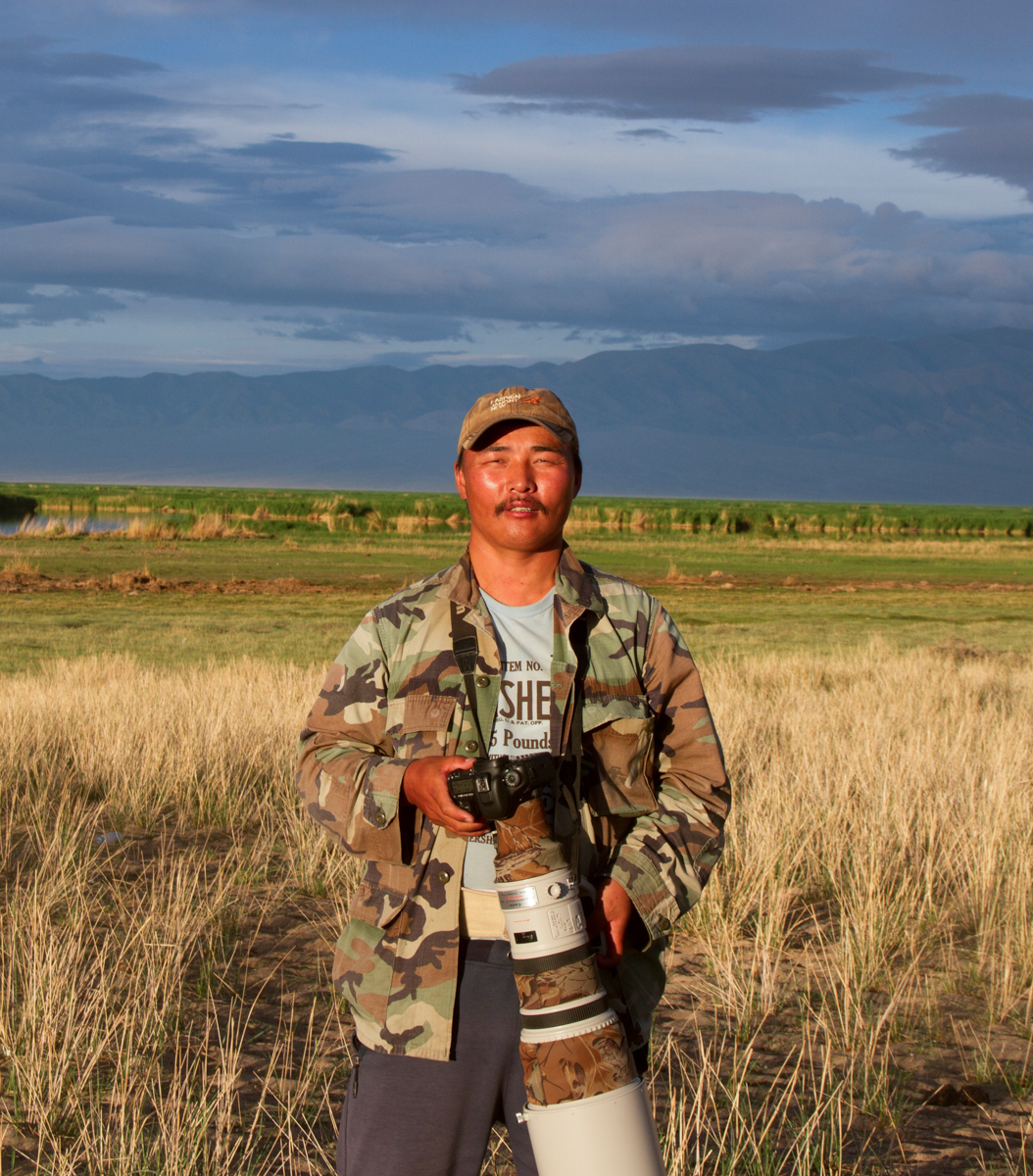
Otgonbayar Baatargal
As a passionate wildlife photo tour leader and excellent spotter, Otgonbayar mostly guides our Snow leopard and Pallas’s cat photography tours to help our clients to capture the most spectacular shots.
A native nomadic herder of Eastern Mongolia, living close to nature, he gained a strong appreciation for all things wild from a young age.
Between 2004 - 2010, he completed his bachelor's and master’s degree in zoology and biology at Irkutsk State Academy of Agriculture, Russia. When he was a student, he began working for Ikh Nart nature reserve as a field biologist and it’s where he picked up a hobby of wildlife photography. After years of a passionate search for animals, numerous field trips and exploration of many hidden places in Mongolia, he succeeded to become one of the top wildlife photographers in the country.
As his skill develops, in 2010 he initiated Pallas’s Cat watching tours and started leading groups of foreign enthusiasts to his homeland to show this elusive steppe feline. Later he explored the wilderness of Altai mountain for many years and has built up an extraordinary and unsurpassed knowledge of the Snow Leopard and its habits, so much so that he has been able to organize tours to the hidden mountains where this near-mythical mammal survives and enjoys a remarkable success rate with sightings.
While many are drawn to Otgonbayar for his foundational expertise in Pallas’s cat and Snow leopard photography, his collection of tours continues to expand in new directions based on where wildlife photography enthusiasts want to explore with him next.
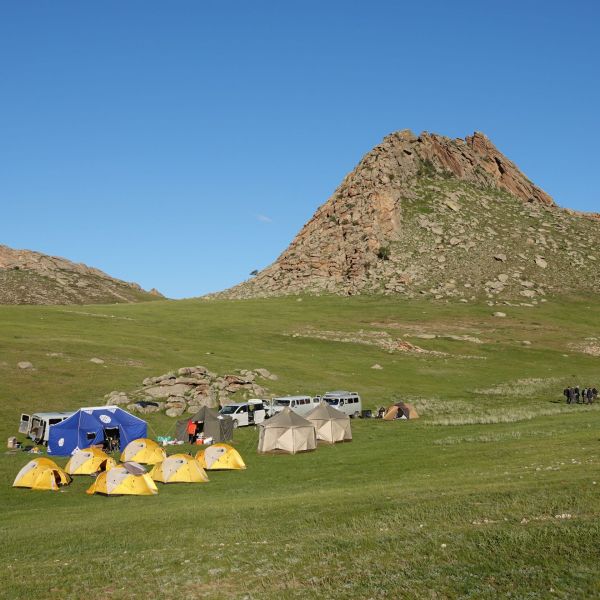
Our philosophy is to offer tours in which we are both confident and capable of delivering the expected results (high chance of spotting target species or access to remote regions).
Outside the tourist season, we regularly venture into some of Mongolia’s most remote and untouched areas to explore, discover, and improve our itineraries.
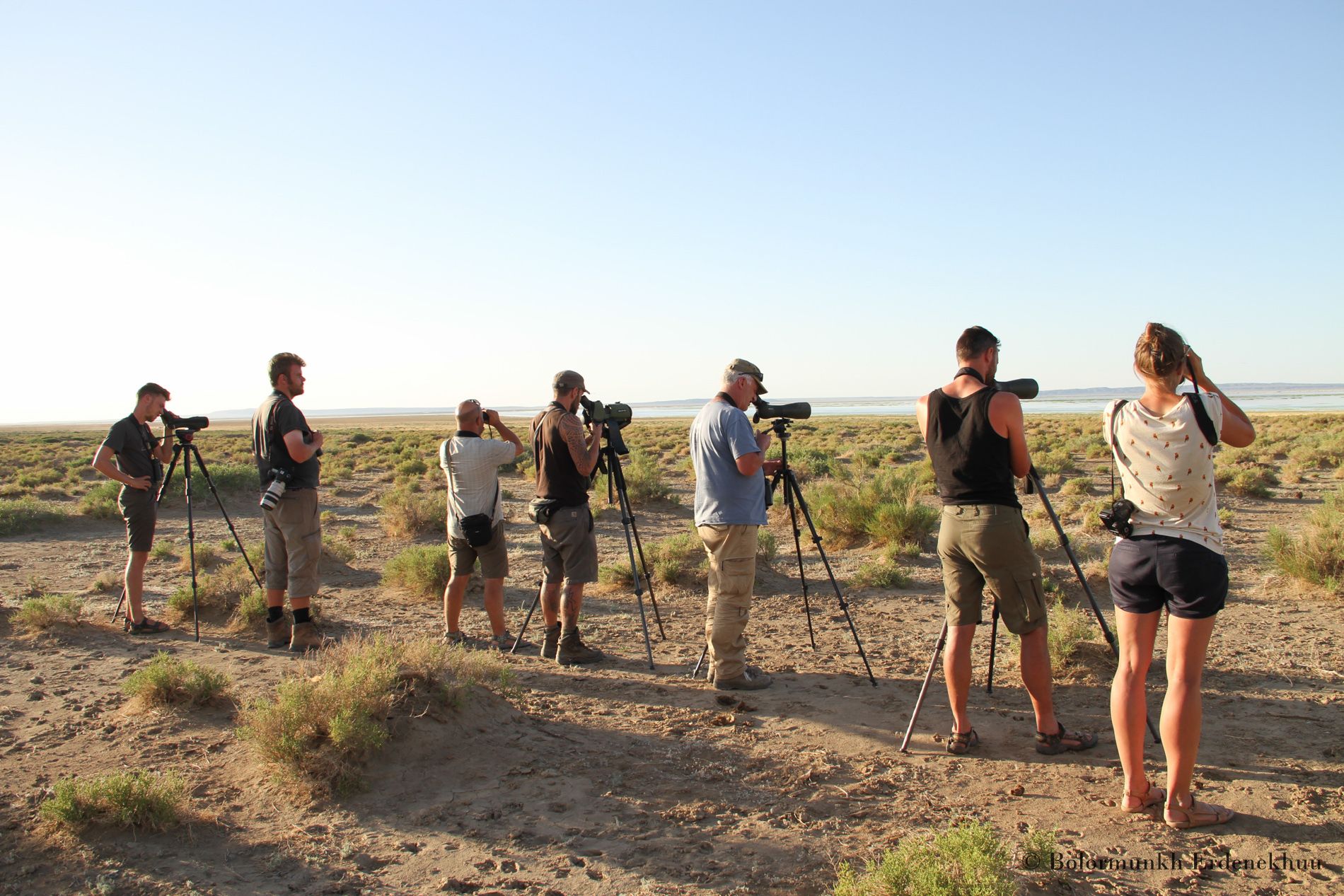
Every tour we lead is backed by deep expertise, careful organization, and high-quality guiding. Over the years, we have hosted clients ranging from dedicated listers to naturalists, wildlife enthusiasts, and professional photographers.
For anyone who wants to observe and photograph birds of Central and East Asia or hoping to encounter target species of this region, our tours are an excellent choice.
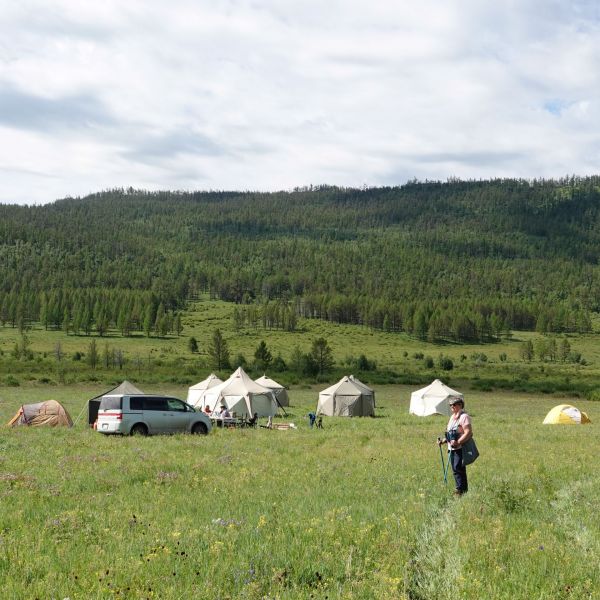
We have a highly experienced, reliable, and responsible team—including guides, cooks, drivers, and travel assistants—all with extensive backgrounds in the tourism sector.
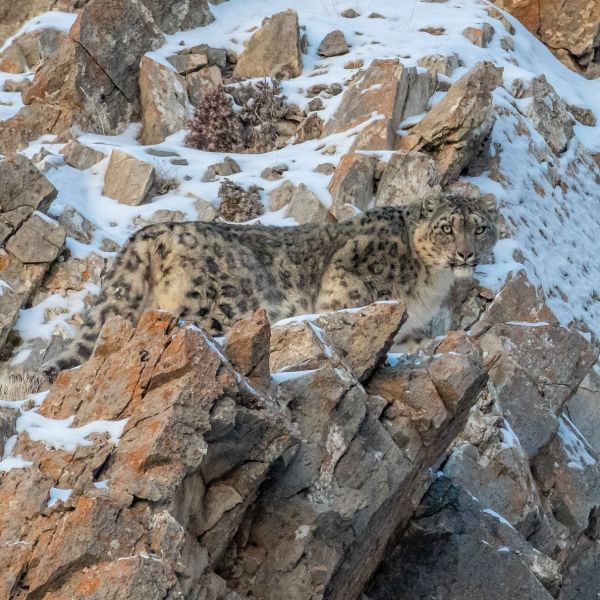
We have unparalleled expertise in our field in Mongolia and make only the promises we are fully confident we can deliver.
Our chief guide, Bolormunkh, has observed the third-highest number of bird species in the country. He also has 15 years of experience guiding wildlife tours and has traveled extensively across Mongolia, exploring every corner of the country.
With backgrounds in biology, ecology, and environmental conservation, we bring scientific expertise to every journey.
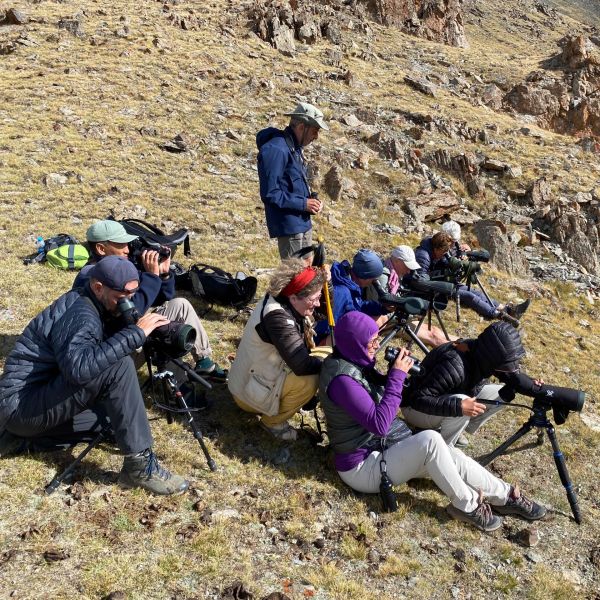
Currently, most birding and wildlife tours in Mongolia are operated by foreign tour companies and led by foreign guides. While often knowledgeable, these guides typically lack the in-depth, in-country experience needed to maximize the chances of successful wildlife sightings. Conversely, local tour companies offering bird watching experiences may have limited expertise in avifauna and less experience in organizing specialized wildlife tours. Their pace and approach can also differ significantly from the standards expected by dedicated birders.
We stand apart by combining extensive knowledge of Mongolia’s avifauna with a strong background in biology and environmental conservation. Our team consists of experienced and professional local guides and spotters who are passionate wildlife enthusiasts. Their hands-on expertise allows them to identify prime locations that serve as critical habitats for rare species, ensuring a more rewarding and authentic wildlife experience.
Accommodation
Our lodging is a combination of hotels, tourist resorts and tents for birdwatching tours, depending on their availability. For Snow leopard and Pallas’s cat tours, we set up our own Ger camps (see the explanation) for the clients.
Hotel: In the capital city Ulaanbaatar, modern hotels are available for our stay which is usually in the evening of arrival and the night preceding departure.
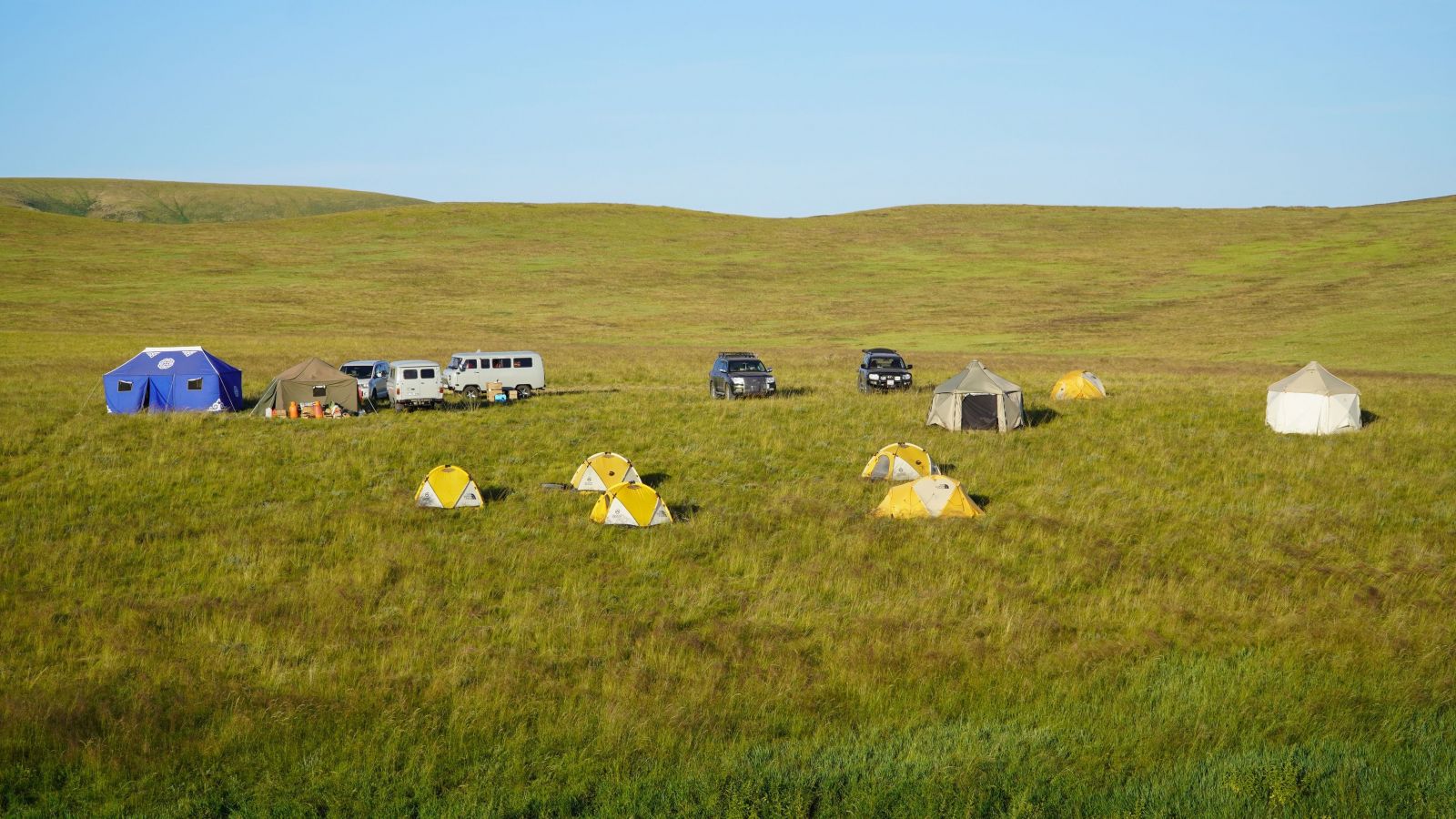
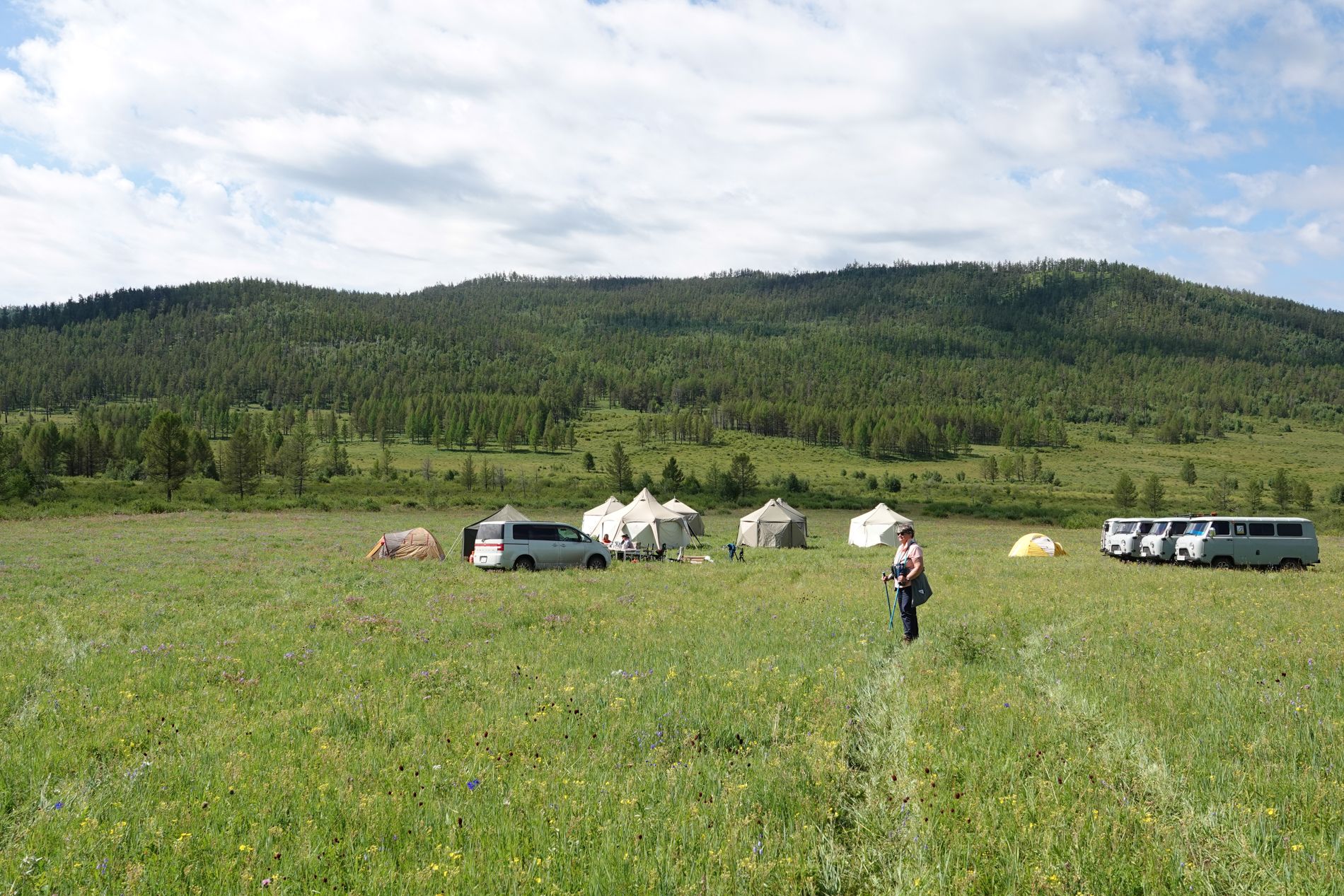
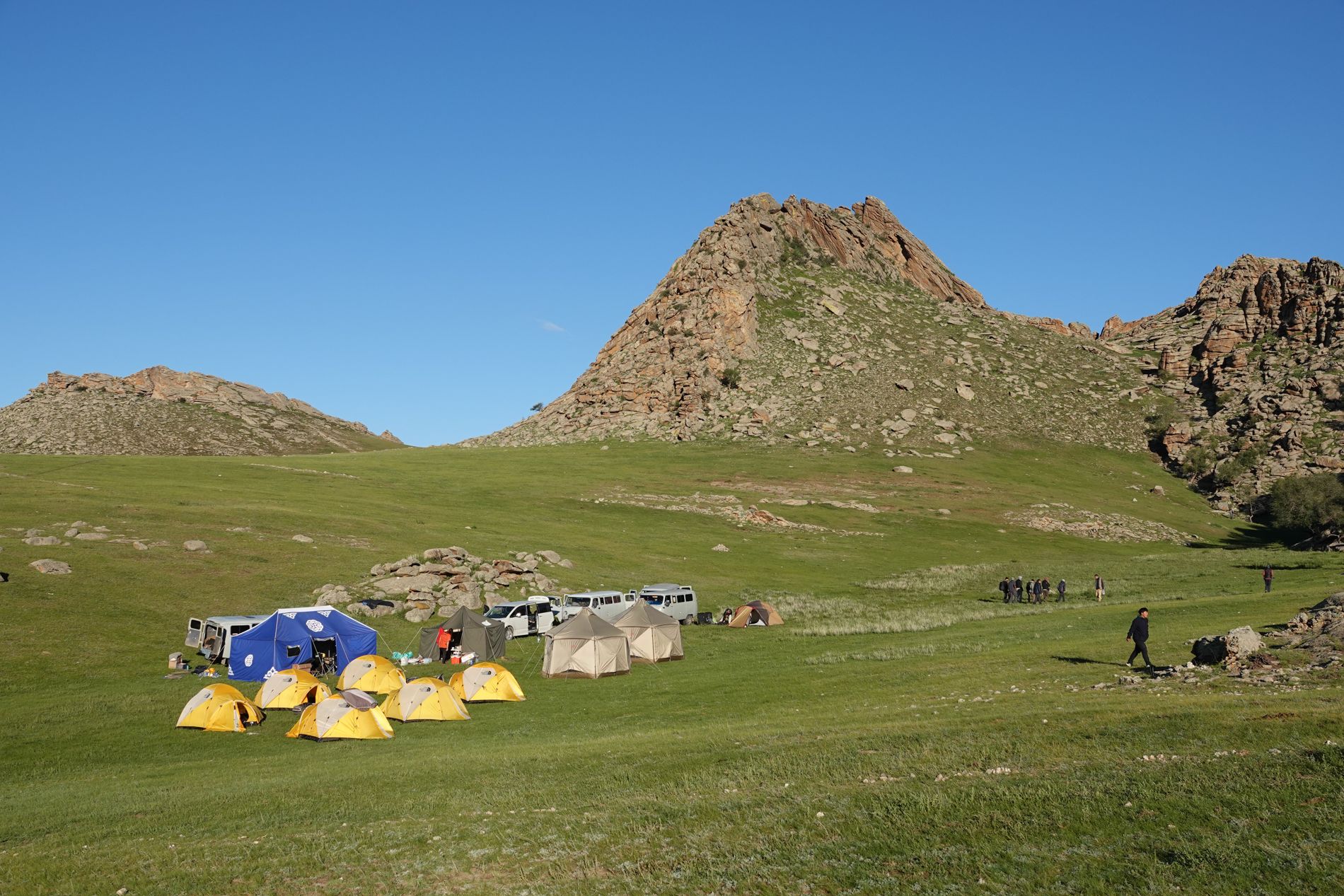
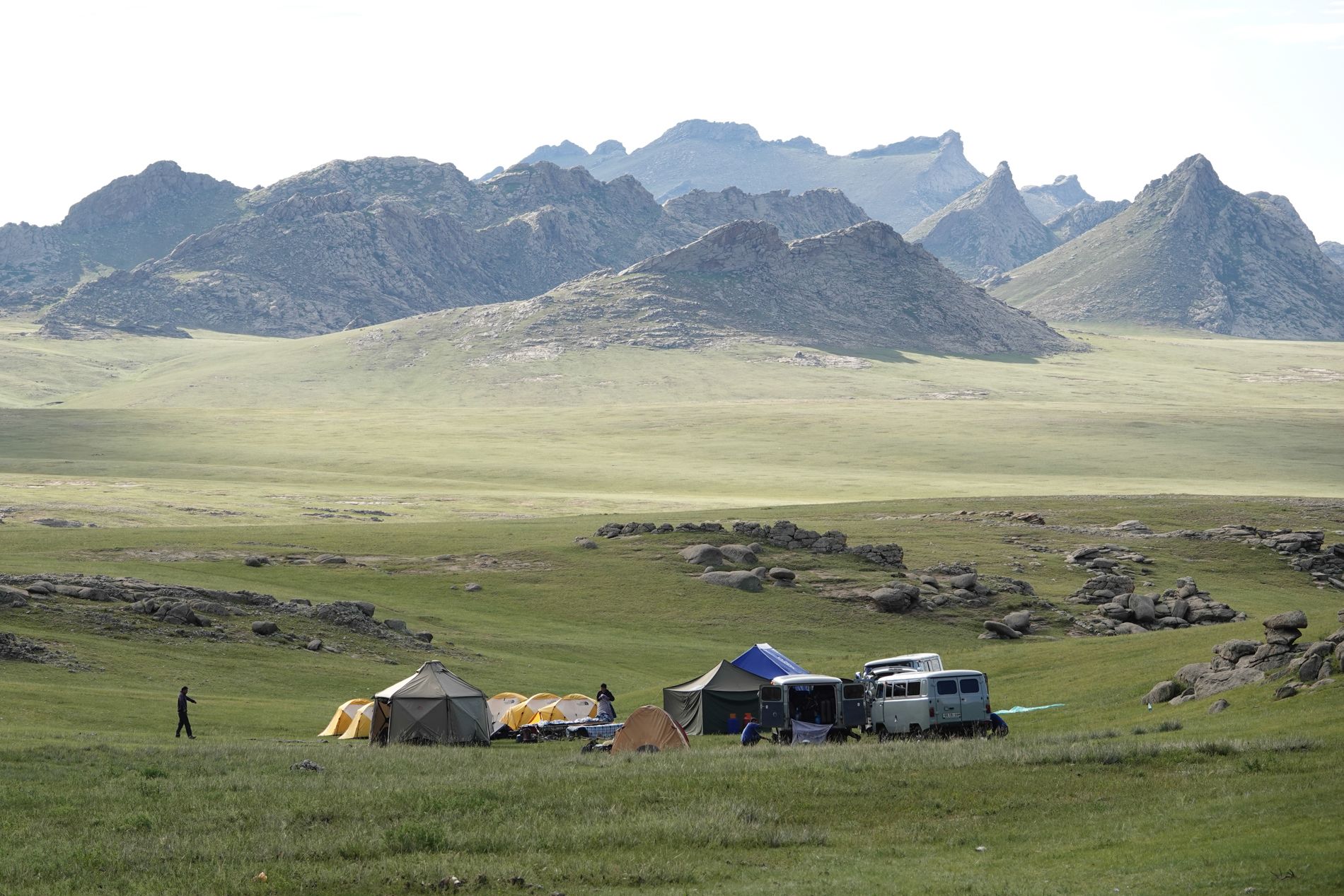
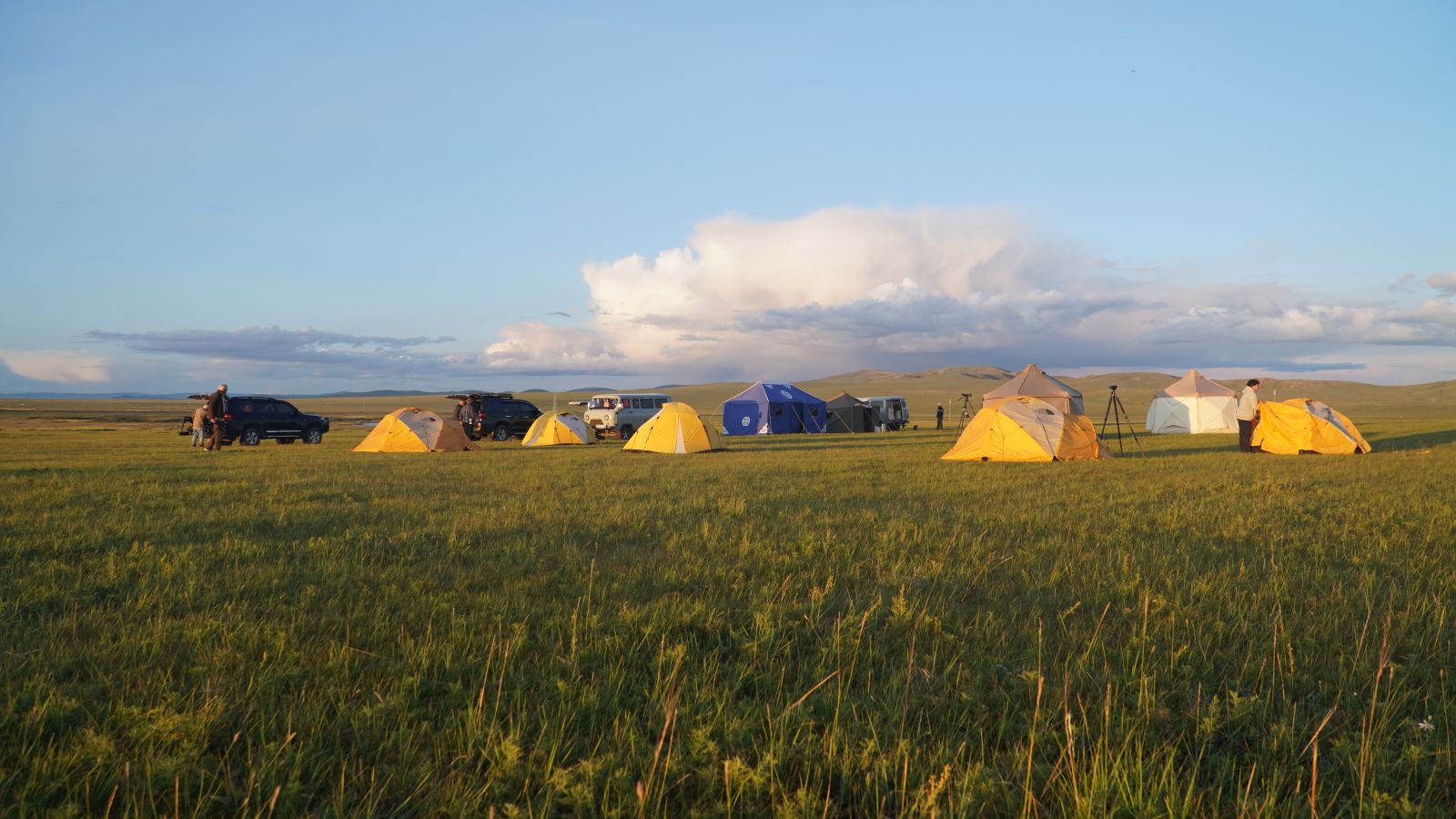
Tent: We overnight in tents in places where there is no available accommodation. Mongolia is generally a great place for camping as we are allowed to wander and set up our own camp wherever we want. Tents are also the most suitable accommodation for a birdwatching tour because we are able to spend the night nearby, or exactly on the bird watching hot spots. Therefore, we can start birding early the following morning, without wasting time on travel. It is a genuine natural experience that allows people to connect with the environment.
We provide our clients high-quality, spacious 3 person North Face Summit series tents, warm sleeping bags and self-inflatable sleeping mattresses.
A spacious traditional Mongolian marquee style tent is set up for dining. It provides good insulation against the summer heat and protection from the cold spring wind. Tables and chairs are set up in the tent.
Tourist camps: In some places, we sometimes opt to stay in tourist camps. They are usually privately owned businesses that offer lodging services for foreign and local tourists. They are most often found in key tourist destinations, but rarer in more remote areas. Tourist camps often consist of numerous traditional gers and sometimes wooden camps. As they are more established services, they are comfortable and have good service.
These are typically privately owned businesses that provide lodging for both local and international visitors. They are most commonly found in major tourist areas, but rarer in more remote regions. Tourist camps usually feature numerous traditional gers (yurts) and, in some cases, wooden cabins. As well-established accommodations, they offer a decent level of comfort and reliable services.
.jpg)
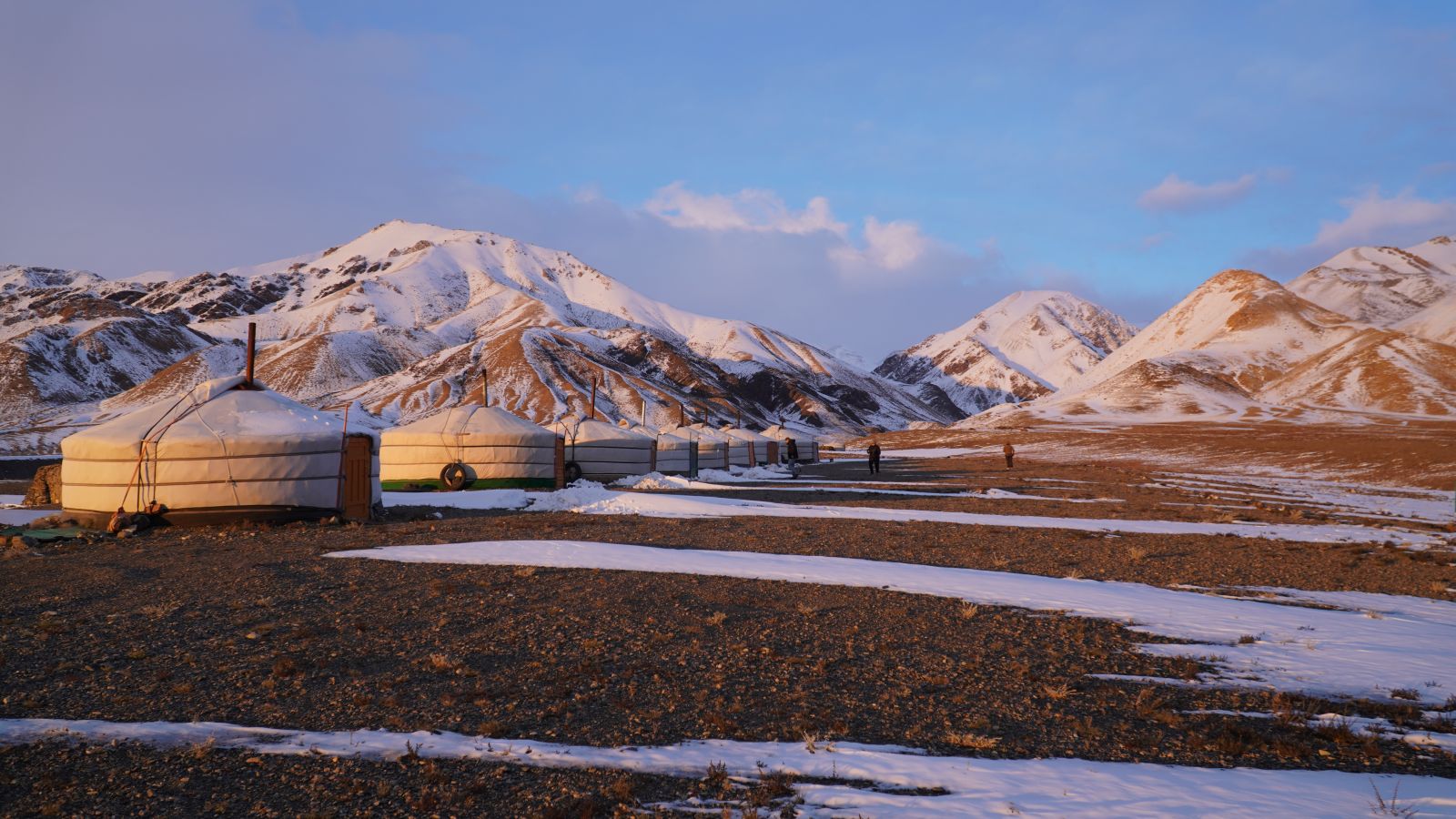
Ger camp: During our mammal tours, we stay in each area for extended periods - sometimes up to a week. That requires us to set up dedicated accommodation that is designated specifically for the trip at each key destination.
Guests stay in Gers, the traditional round, portable felt dwellings that Mongolians have lived in for thousands of years. Gers are spacious and cozy, often heated with wood or coal fires, and each is furnished with twin or triple beds complete with blankets, sheets, pillows, and duvets. Washing and toilet facilities at these camps are basic, while a separate dining ger provides tables and chairs for meals.
Transportation
Mongolia is a vast country, and in order to reach the various habitats where our key species are found there will be a fair amount of driving. We will be traveling through flat open landscapes, sometimes crossing rugged rocky mountains and making plenty of stops for animals we see on the way.
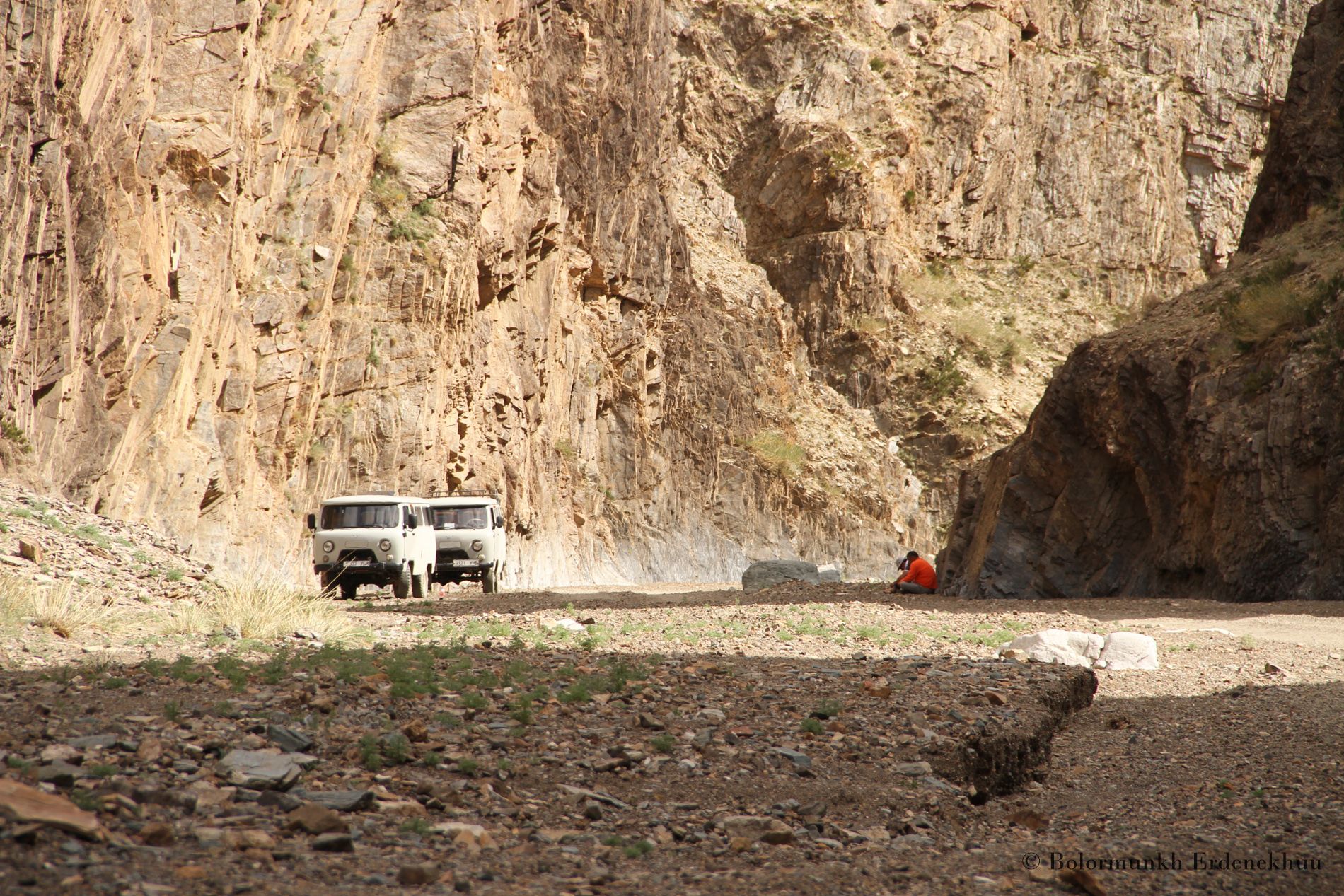
Transport options are usually 4WD Toyota Land Cruiser jeeps or Russian UAZ 2206 minivans depending on the client’s choice.